April 2026 Summary
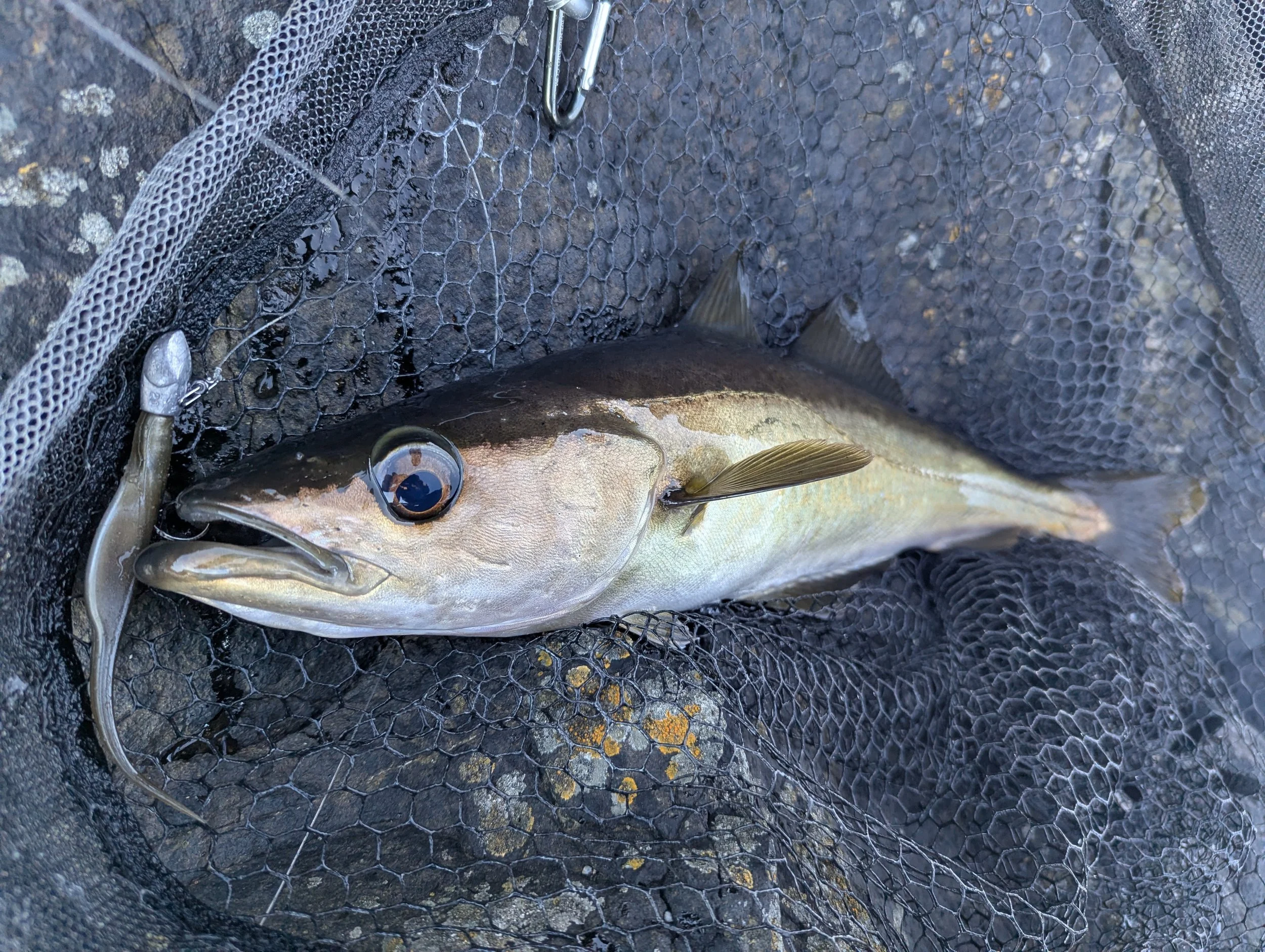
The beginning of April saw the first signs of life from the pollack fishing in the northwest, with a number of very skinny post-spawn fish showing up to around 4lb. The fish were clearly still recovering from spawning and were feeding in a lethargic manner in the cold early-season water. Success came only through a slow and methodical approach, with split-tail soft plastics fished on 20–30g jigheads and retrieved at a crawling pace while maintaining regular contact with the seabed. Most takes were subtle, reinforcing just how sluggish the fish still were at this stage of the season.
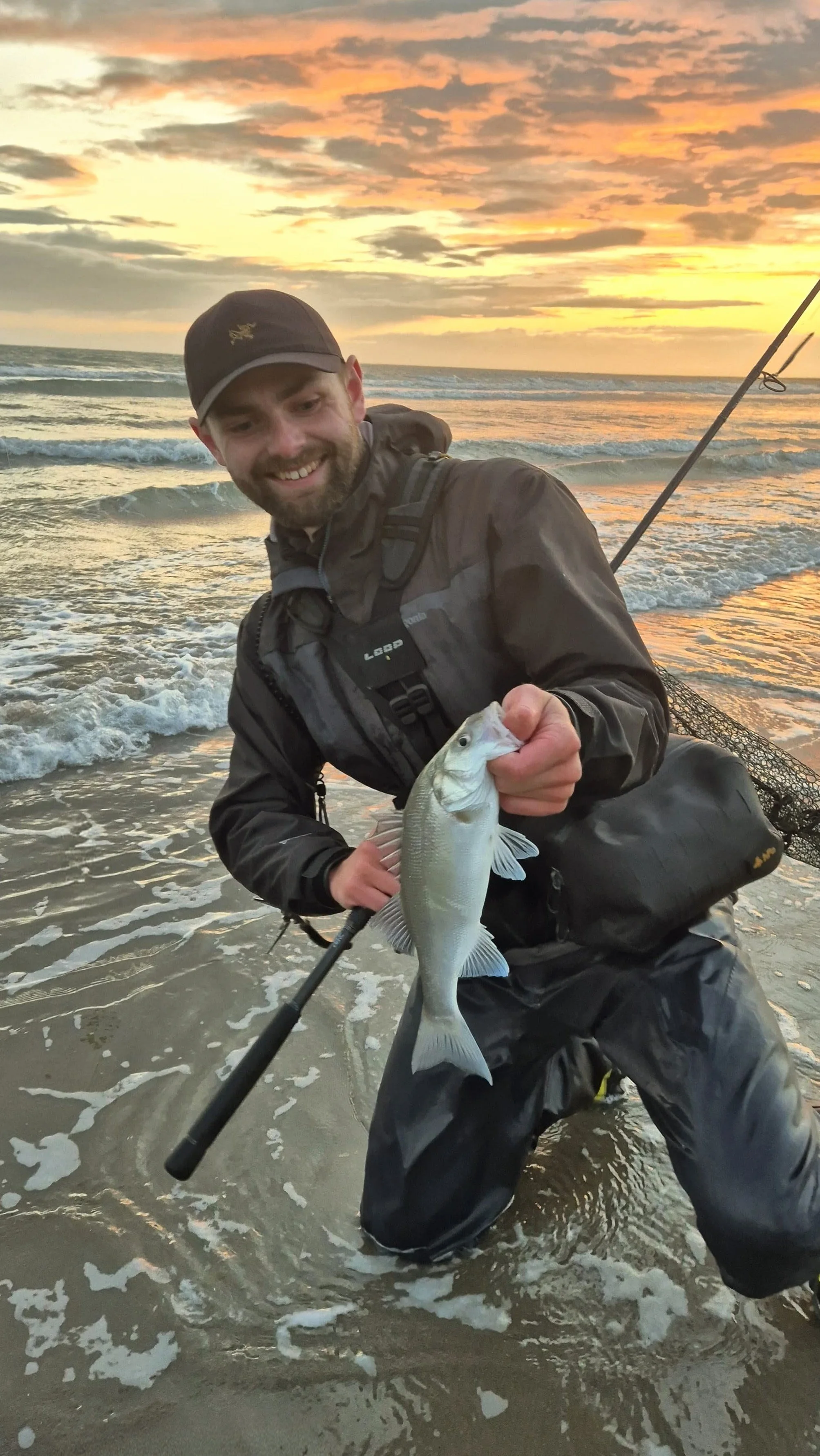
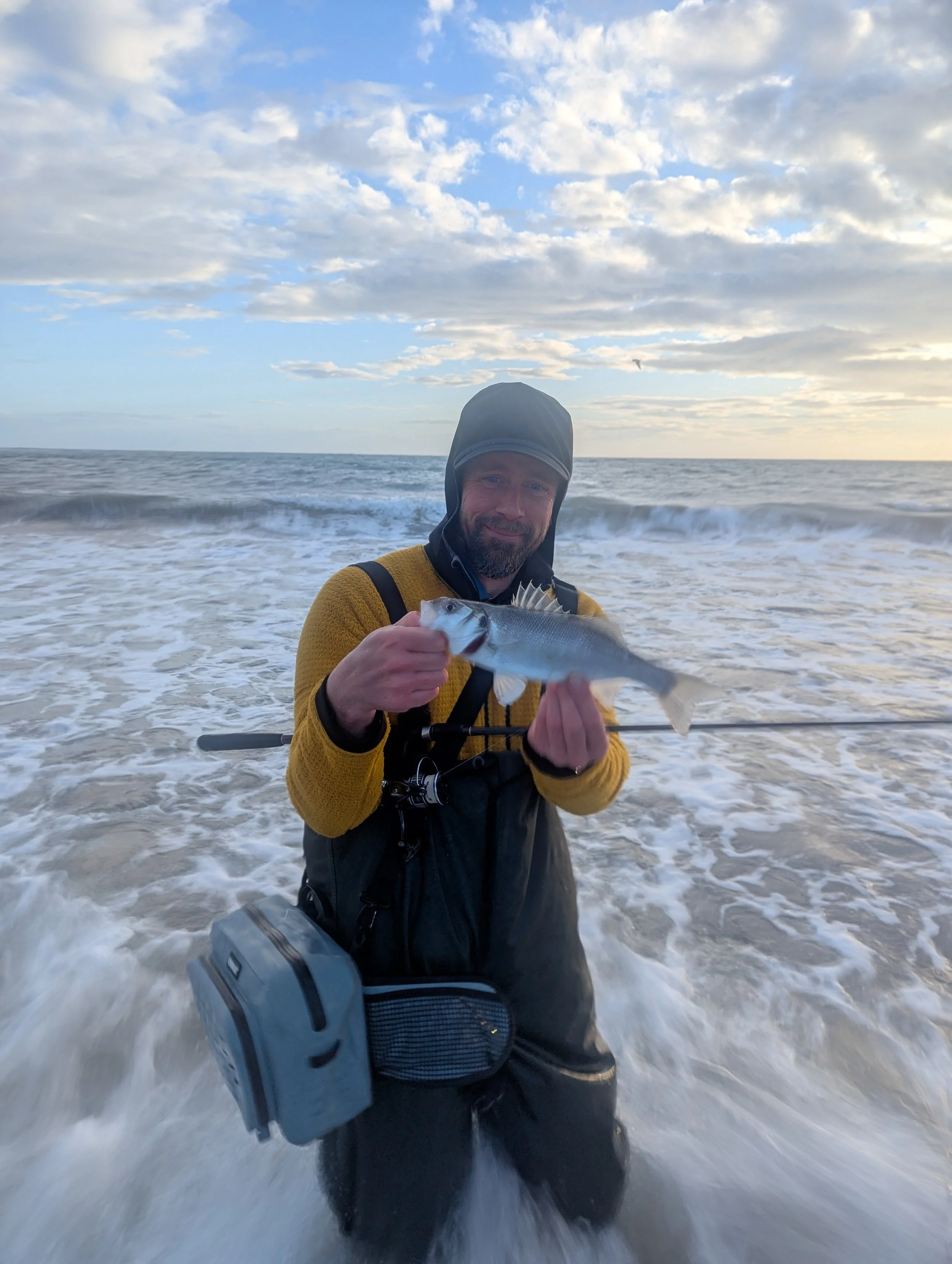
Elsewhere, the first bass of the year made an appearance on the beaches of the southwest. Small but spirited juvenile fish were landed on the first session targeting them, providing an encouraging sign for the months ahead. The bass were holding at distance, requiring long casts with metals to reach them effectively. While none were of notable size, every fish was perfectly formed, hard-fighting, and healthy - always a welcome sight and a positive indication for future stocks.
As the month progressed and sea temperatures slowly began to climb, the pollack fishing in the northwest started to gather momentum. One particularly memorable session involved a demanding 6–7km trek across rough bogland to reach a remote section of coastline characterised by deep water, steep drop-offs, and extensive kelp beds. Conditions looked ideal on arrival, but despite covering plenty of water, the first half hour passed without a touch.
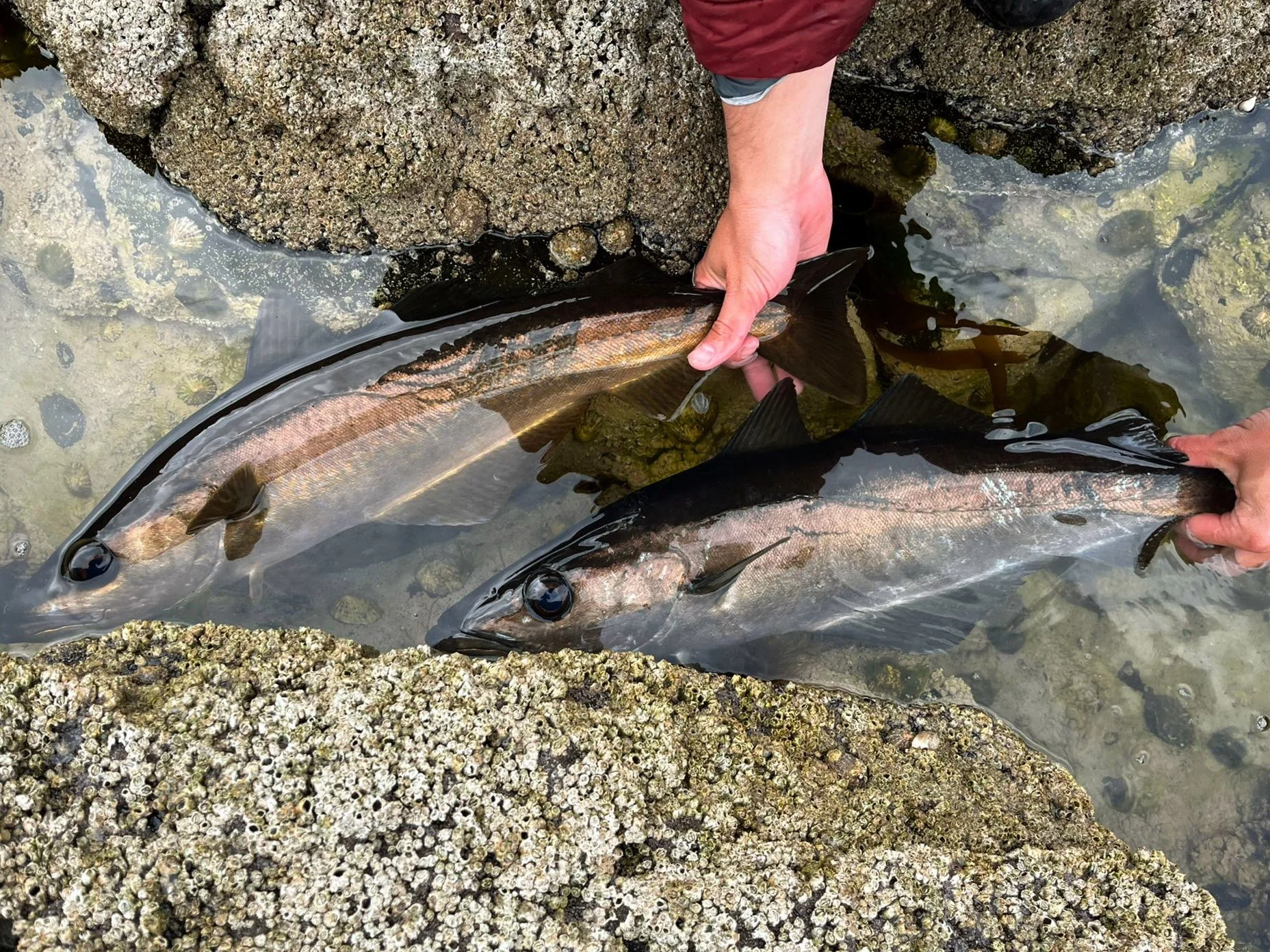
A tactical change soon turned the session around. Switching to metal lures and concentrating efforts on the deeper, cleaner ground beyond the main kelp line quickly produced results. Pollack began to show in numbers, with fish between 1lb and 4lb coming steadily throughout the early part of the tide. The fish were clearly feeding more aggressively than those encountered earlier in the month, and several energetic battles hinted at the improving condition of the stock.
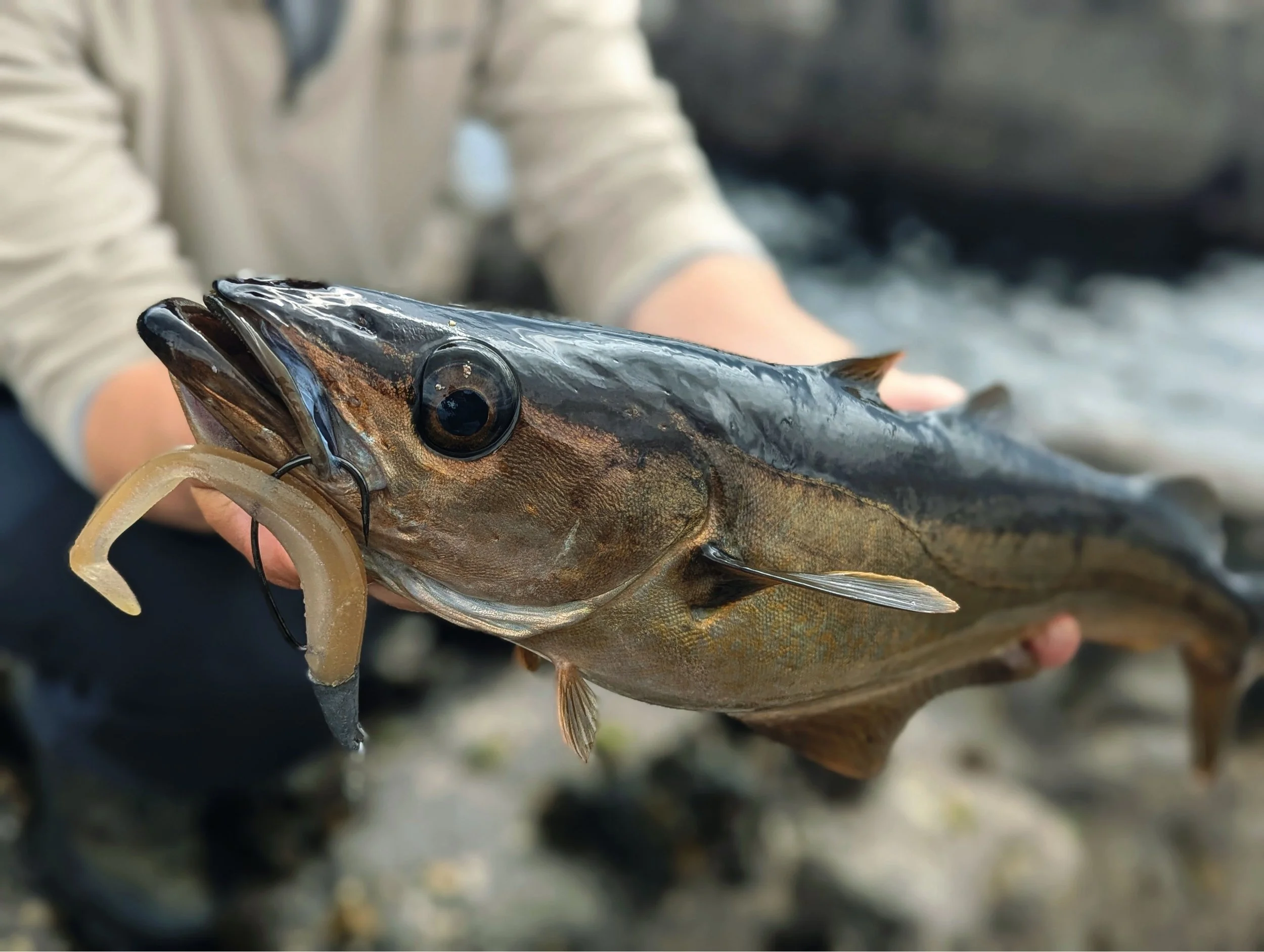
As the tide gathered pace and the current strengthened, the action on the metals gradually slowed. With the deeper ground becoming less productive, attention turned back towards the fringes of the bay where dense kelp forests dominated the seabed. Weedless soft plastics were the obvious choice, allowing lures to be worked confidently through the heavy structure without snagging.
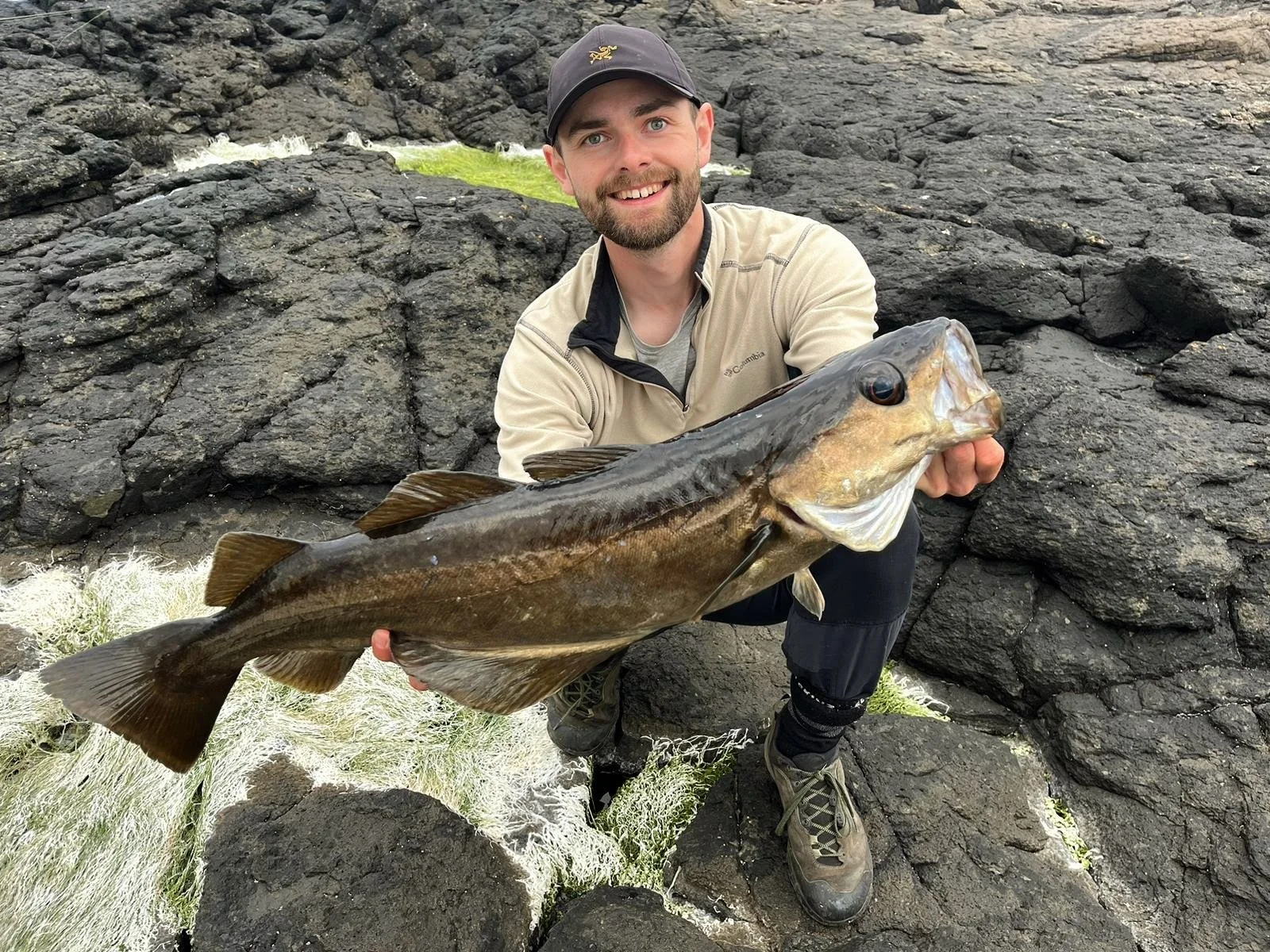
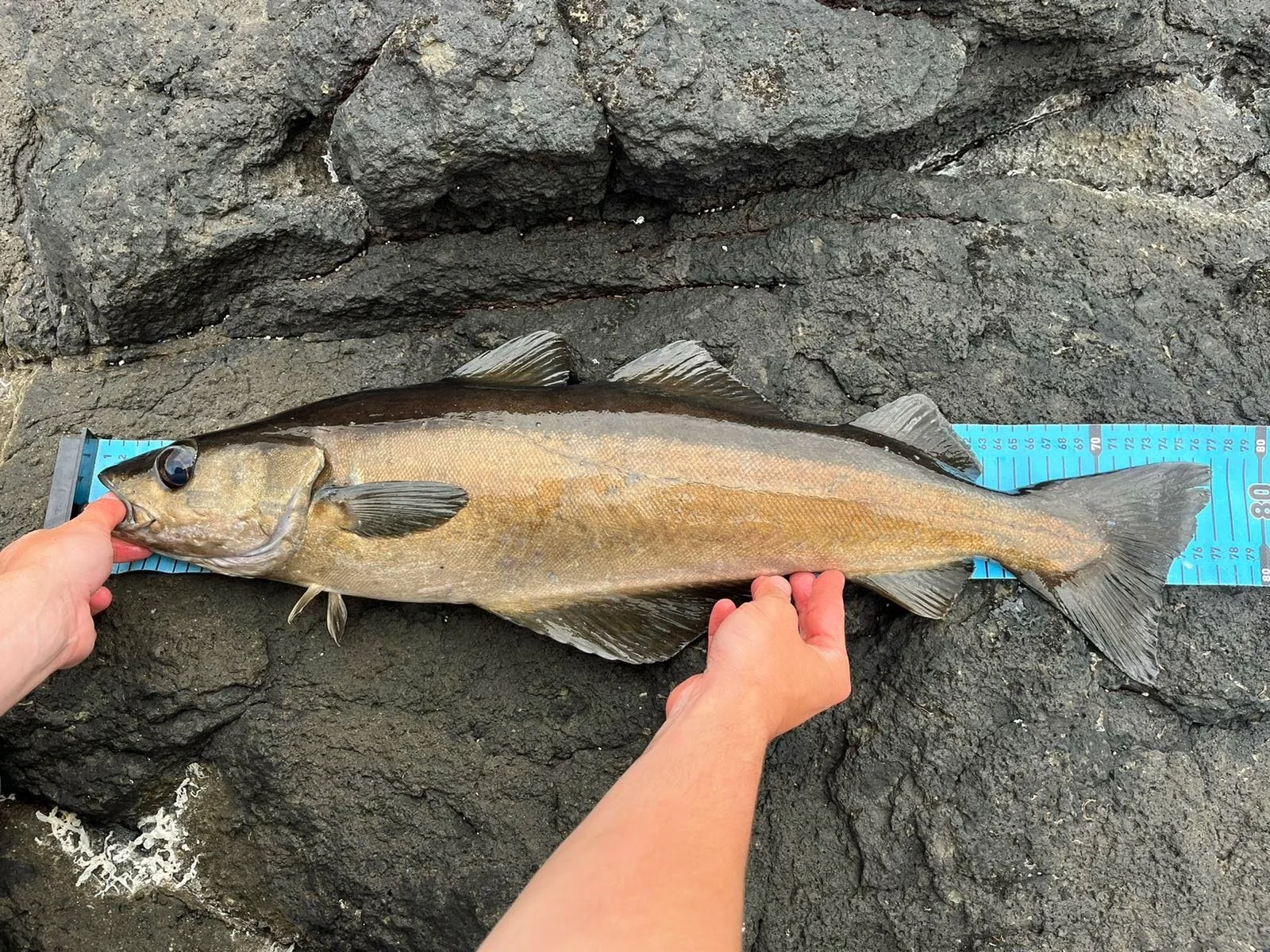
Almost immediately, the average size of the fish increased. Larger pollack began intercepting the lures amongst the kelp, with the majority falling between 4lb and 6lb. Several powerful fish made full use of the terrain, diving hard for cover as soon as they felt the hook. The highlight of the session was a superb pollack measuring 77cm, comfortably over 8lb, and a great fish to encounter so early in the season.
By the end of the session, my partner and I had landed approximately 30 pollack between us in around four hours of fishing. Considering it was still only April and many fish were only just beginning to recover from spawning, it represented an outstanding start to the season. The combination of numbers, quality fish, and the dramatic setting made it a memorable trip and an encouraging indication of what the months ahead might hold.